Partner Articles
- All
- RollerAds
- Adsterra
- Epom
- ClickDealer
- Monetag
- Mondiad
- Kinsta
- HilltopAds
- Clickadu
- PubFuture
- BigSpy
- Venatus
- 152 Media
- Refinery89
- YieldMonk
- MyBid
- Profit Ninja
- Epom Market
- Sanebox
- Sevio
- Blockchain-Ads
Search through our collection of over 5,000+ digital solutions, hosting platforms, exclusive deals, and more.


2.5k trusted digital are using our platform












 Affiliate Marketing
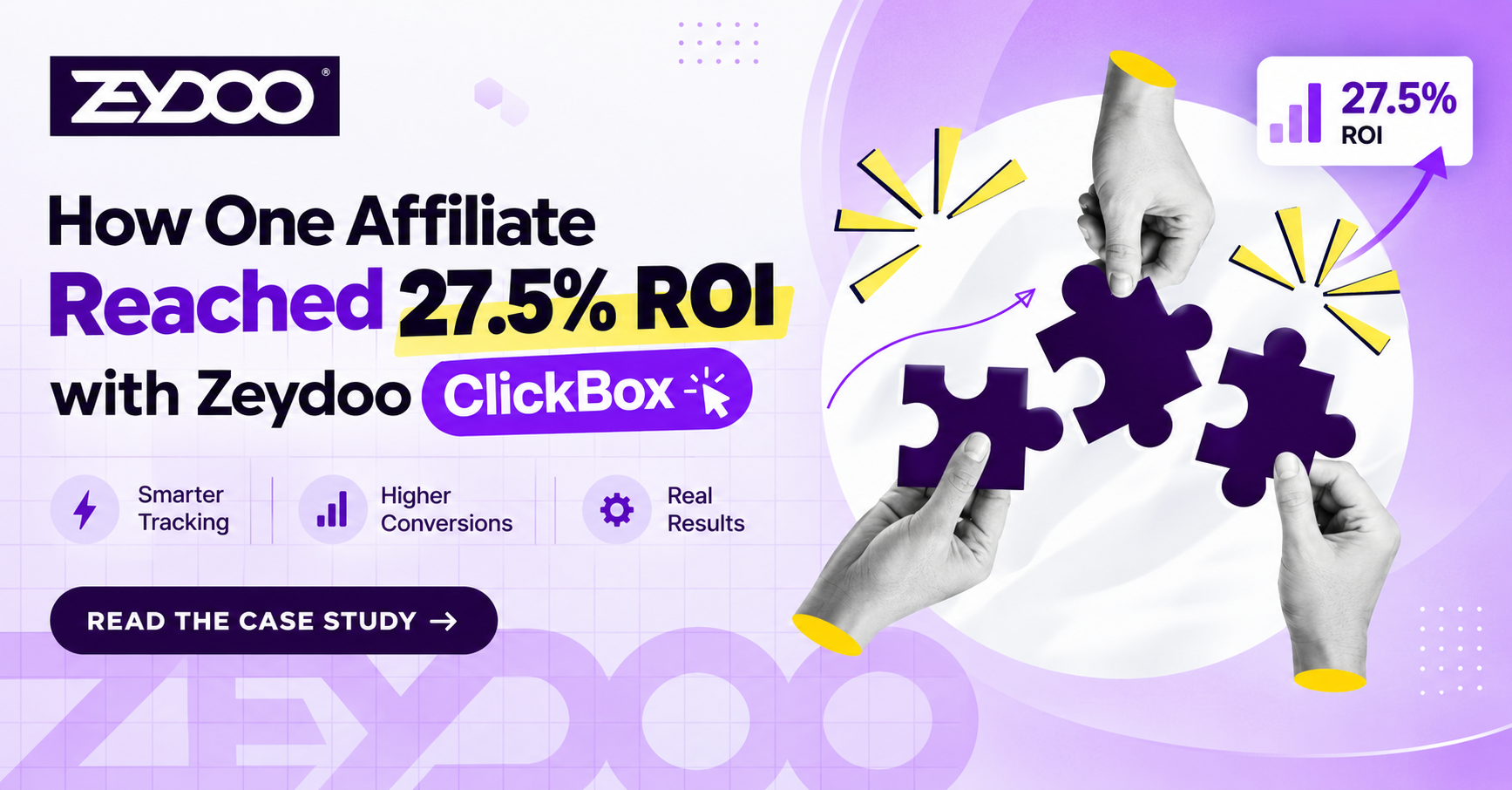
Facebook remains one of the most competitive paid traffic sources for affiliates, but that doesn’t mean profitable opportunities are limited to the usual Tier-1 and Tier-2 GEOs. A recent Zeydoo case study offers an interesting example. In December 2025, one affiliate tested five Facebook campaigns promoting Zeydoo ClickBox offers in South Africa. Across the campaigns, the affiliate spent $5,257 and generated $6,702 in revenue, resulting in $1,444 in net profit and a 27.5% blended ROI. The best-performing campaign reached an impressive 91% ROI.
.png) Website Monetization
Website Monetization
If you work with affiliate traffic, you know how much time can go into checking stats, comparing payouts, and figuring out what changed. Zeydoo MCP is designed to make that process much faster. The new connector links your Zeydoo publisher account to an AI assistant, so instead of exporting reports and working through spreadsheets, you can simply ask questions in plain language.
 Website Monetization
Joko built a business around a niche many developers overlook: free apps and browser games. He runs two websites where independent developers upload early versions of their games and lightweight apps, while users discover and test new products before they become commercial releases. Developers get real user feedback, and visitors get free access to fresh projects. Instead of using in-app monetization, Joko generates revenue through Smartlink placements integrated into the website journey and registration flow. This approach now brings his platforms up to $50,000+ in monthly revenue.
 Advertising
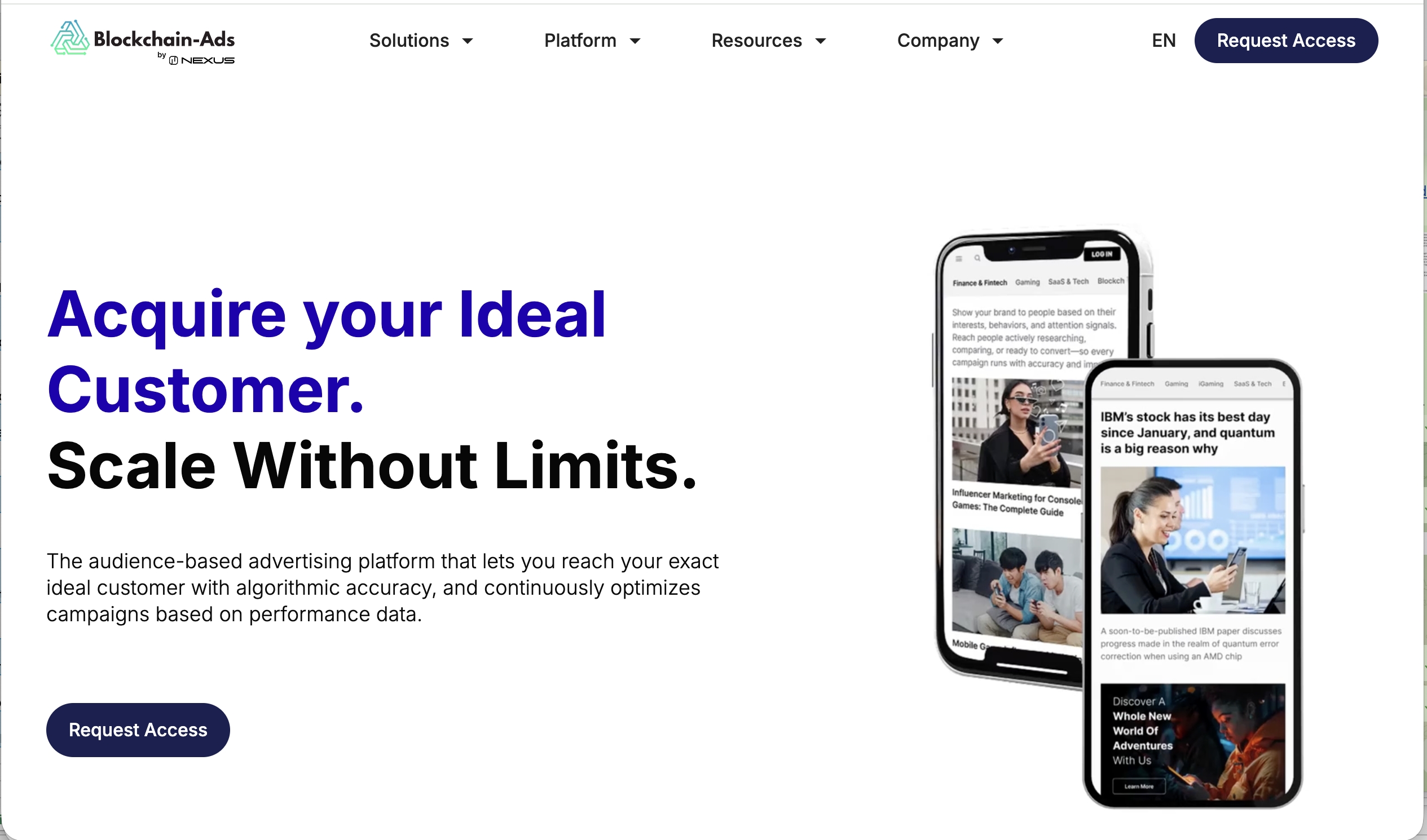
Blockchain-Ads is a performance, audience-based ad network. Technically, it operates as a DSP with an integrated data management platform (DMP), buying programmatically across the NEXUS Ad Exchange. It serves advertisers in verticals that mainstream platforms restrict or refuse: iGaming, sports betting, crypto, trading, and fintech. The core promise is audience-based reach. You target people by who they are and what they do, then reach them wherever they browse. The targeting layer is the differentiator. Campaigns are built on a DMP of 420M+ verified user profiles, 300+ behavioral and intent signals, and 69+ prebuilt audience segments, so budget goes to a defined type of person: a sports bettor, an active trader, a funded-account prospect. Advertisers that have run or currently run campaigns on the network include Coinbase, Binance, OKX, Crypto.com, and Stake.com. The network states that 7 of the top 10 crypto exchanges and 80% of the top 100 iGaming brands have used the platform. On scale, the network serves 1.2B+ ad impressions daily (roughly 36 billion monthly) across 195+ GEOs, with supply connected through 18+ SSP integrations. Every impression is independently verified by DoubleVerify.
 Advertising
The FIFA World Cup 2026 is already here. 48 teams. 104 matches. Billions of people watching. For anyone in betting, this is the biggest chance of the year. But running ads on Facebook or Google right now is a nightmare. It's a crazy competition with sky-high CPMs. That's why more teams are turning to influence. Influencer marketing isn't just paying a blogger to drop your link. When done right, it's a full funnel. And it can bring in deposits for months. Here's how it works.
 Advertising
The FIFA World Cup 2026 is already happening. 48 teams, 104 matches, and people placing bets around the clock. If you're running ads right now, the format you pick matters more than you might think. Get it wrong and your budget disappears fast. Get it right and you can scale like crazy.
Our publishers are excited to share their experience with you!
The team at Publishergrowth reviewed my site and recommended the ad networks, which helped me double my overall website revenue. Also, the approvals were a breeze. I am particularly excited about their 'sponsored posts' solution since that will be an added revenue for my website.

Beamingnotes.com
I was looking for additional monetization options for my website. With my limited knowledge, I was unable to make the right selections. After I signed up at Publishergrowth, the team performed a site audit and recommended me some ad networks. My overall revenue grew by 44%.

Poemgyan.com
If you have used a product for a long term, you are in a much better position to review it and compare it with others. There are networks that do shady affairs, and thus it becomes very important for publishers like us to know more about ad platforms, tools, and services before working with them.
-1668044393.jpeg)
Blognife.com











 (1).webp)